What is EPDM Rubber Roofing? The Best Flat Roof Guide
Team of dedicated professionals committed to delivering top-quality service with honesty and integrity. With years of experience in the plumbing industry, we have the skills and expertise to handle everything from routine maintenance to emergency repairs.
July 22, 2026
EPDM (Ethylene Propylene Diene Monomer) rubber roofing is a high-performance synthetic membrane used primarily on flat roofs. It is known for its incredible 50-year lifespan, extreme weather resistance, and low maintenance requirements, making it the leading modern alternative to traditional felt and fibreglass roofing systems across the UK.
What is EPDM rubber roofing and how does it work?
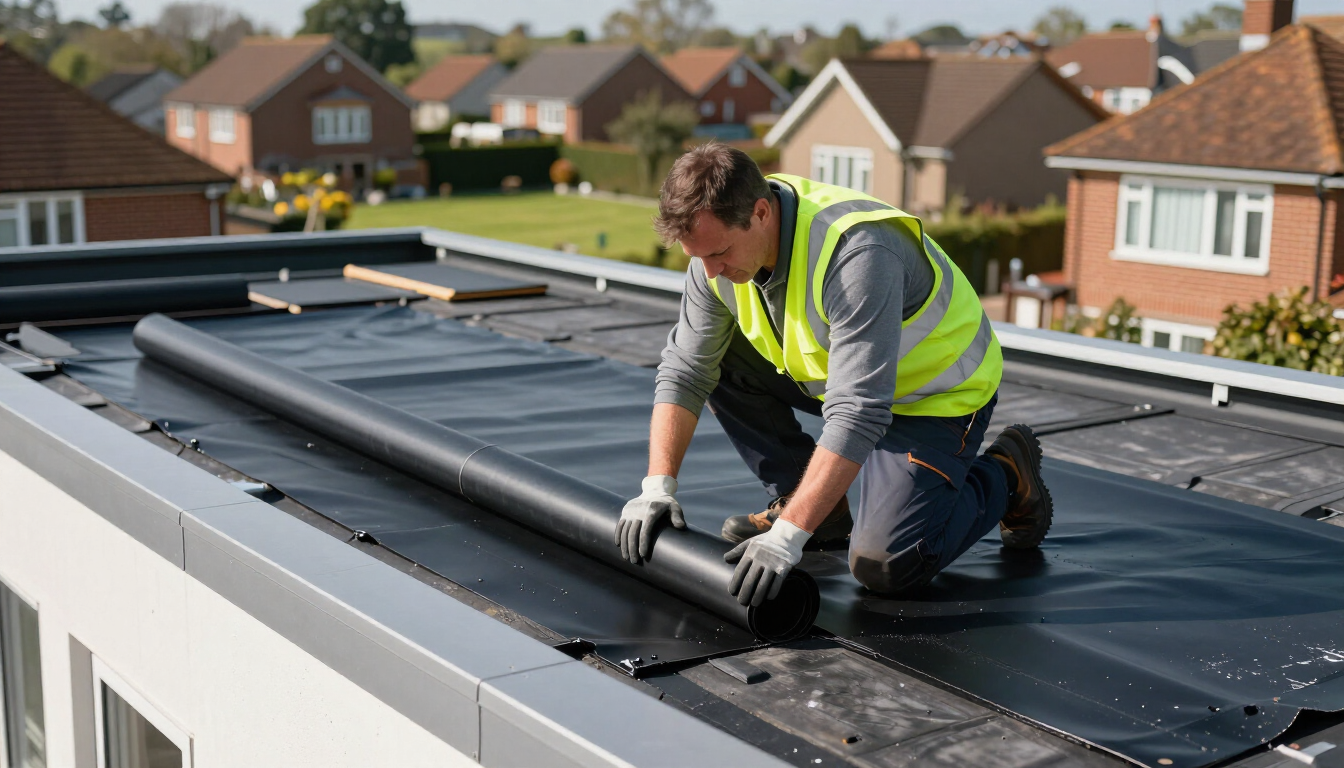
EPDM stands for Ethylene Propylene Diene Monomer. While that sounds like a complex chemical formula, for homeowners in Hampshire, it simply means a highly durable, synthetic rubber matting that is designed to withstand the harshest environmental conditions. Unlike traditional materials that are applied in multiple layers or require high-heat torches, EPDM is often installed as a single, seamless sheet tailored to the dimensions of your specific roof.
This material has been used in the commercial sector for decades—on warehouses and large-scale industrial buildings—but it has recently become the 'gold standard' for residential flat roofs . Because it is a rubber-based product, it is naturally flexible. This allows the membrane to expand and contract with the changing temperatures in places like Southampton and Portsmouth without cracking or tearing. It is bonded to the roof deck using powerful cold-applied adhesives, eliminating the fire risks associated with 'hot works' or bitumen boilers.
Why is EPDM replacing traditional felt on UK flat roofs?
For years, traditional bituminous felt was the only real option for flat roof extensions, garages, and sheds. However, felt has several inherent weaknesses that EPDM solves. Felt is susceptible to UV degradation; over time, the sun’s rays make the bitumen brittle, leading to cracks and eventually leaks. Furthermore, felt requires multiple layers and heat-sealed seams, which are often the first points of failure.
Homeowners are increasingly choosing EPDM rubber roofs because they offer a "fit and forget" solution. In a coastal county like Hampshire, where salt air and high winds are common, the resilience of rubber is unmatched. EPDM is virtually immune to ozone and UV radiation, meaning it won’t degrade even after decades of exposure to the elements.
Key reasons for the shift include:
- Seamless Installation: Most domestic roofs can be covered with one single sheet, removing the risk of leaky joints.
- No Heat Required: The cold-applied system is safer for your home during the installation process.
- Sustainability: EPDM is an eco-friendly choice, often made from recycled materials and fully recyclable at the end of its long life.
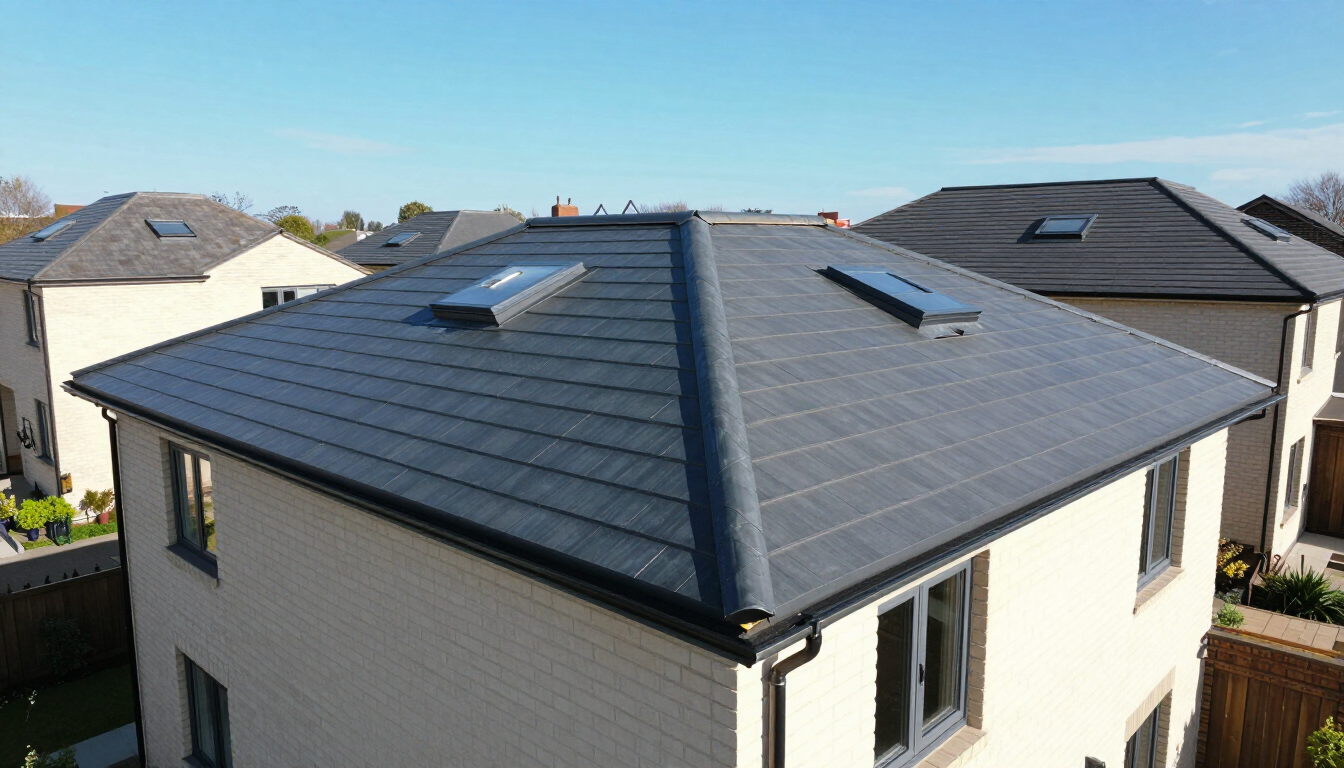
- Aesthetic Appeal: It provides a sleek, modern, slate-grey finish that looks significantly better than gravel-topped felt.
How long does an EPDM rubber roof actually last?
One of the most compelling arguments for EPDM is its longevity. While a standard felt roof might provide 10 to 15 years of service before needing significant repair or replacement, an EPDM membrane is widely rated to last 50 years or more . This long-term durability is verified by the ASTM (American Society for Testing and Materials) and various European building standards.
In the climate of Winchester or Eastleigh, where we see a mix of damp winters and increasingly hot summers, the thermal stability of EPDM is a major asset. It remains flexible at temperatures as low as -40°C and can withstand heat up to 150°C. This means the structural integrity of your roof remains intact regardless of the season. When you invest in a new roof / re-roof , choosing EPDM essentially means you are buying a roof that will likely outlast your tenure in the property.
Comparing EPDM vs. Felt vs. Fibreglass (GRP)
When researching flat roof Southampton options, you will likely encounter three main materials: Felt, Fibreglass (GRP), and EPDM. Here is how they compare across the most important categories:
- Lifespan: Felt (10-15 years), GRP (20-25 years), EPDM (50+ years).
- Flexibility: Felt is moderately flexible but becomes brittle; GRP is very rigid and can crack if the building settles; EPDM is highly elastic (up to 300% elongation).
- Maintenance: Felt requires periodic checking of seams; GRP can be prone to 'pinholing' if not installed perfectly; EPDM is virtually maintenance-free.
- Cost: Felt is the cheapest upfront; GRP is often the most expensive; EPDM sits in the middle but offers the best lifetime value.
Is EPDM rubber roofing completely waterproof?
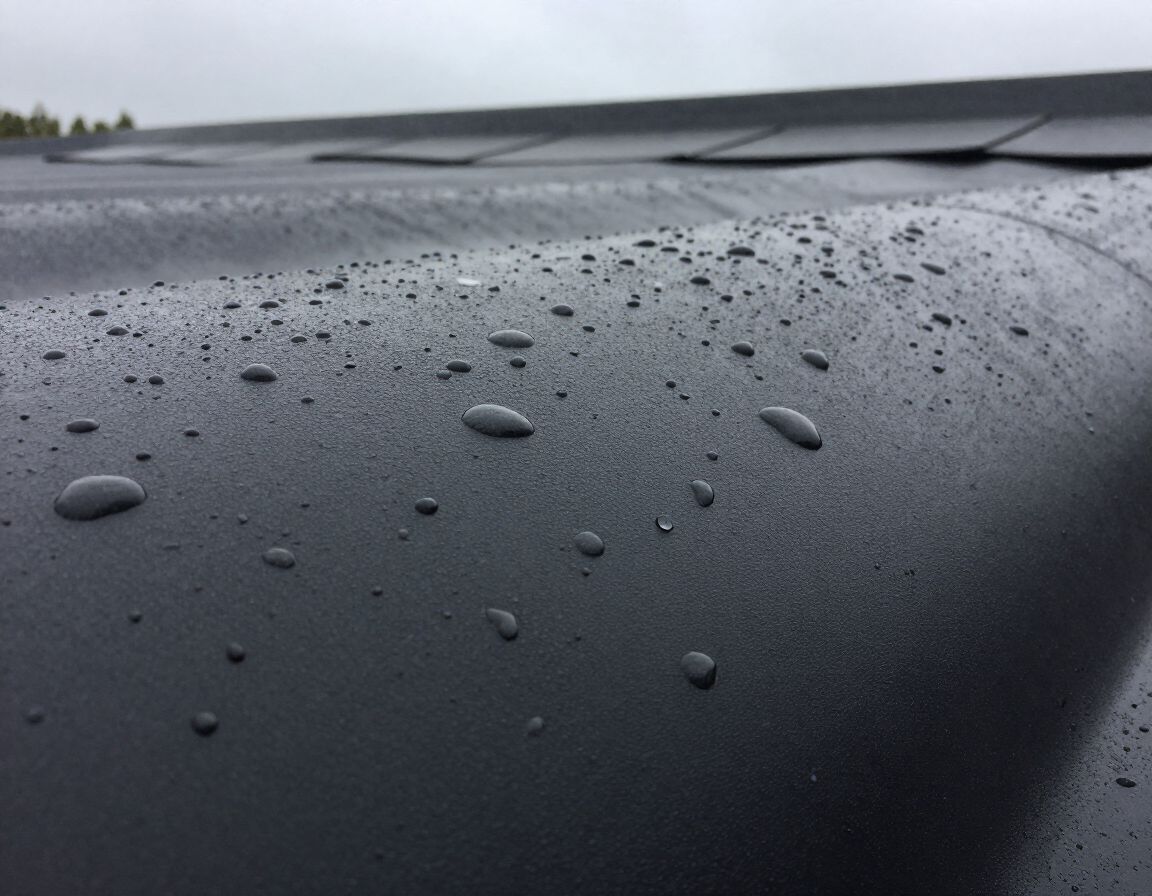
Yes, when installed correctly by specialists like Pople Roofing, EPDM is 100% waterproof. Because it is a non-porous synthetic rubber, water simply beads on the surface and runs off into your fascias, soffits & guttering . Unlike felt, which can soak up moisture over time if the protective mineral layer is lost, rubber is a total barrier to water.
Furthermore, EPDM does not support the growth of moss or algae. On traditional roofs, moss can hold moisture against the surface, leading to rot and decay. The smooth, inert surface of a rubber roof prevents this biological growth, keeping your roof cleaner and more functional for years to come. If you are worried about the state of your current roof, it may be time to book roof surveys & quotations Hampshire to see if a rubber upgrade is right for you.
What maintenance is required for a rubber roof?
One of the biggest draws for busy landlords and homeowners in Portsmouth and Andover is the minimal maintenance required for EPDM. While no roof is truly "zero maintenance," EPDM comes very close. Because the material is so resistant to the elements, you don't need to apply coatings or sealants annually.
Your main maintenance tasks will simply be:
- Clearing Debris: Ensure that leaves or twigs from nearby trees are brushed off to prevent gutter blockages.
- Gutter Checks: Keeping your guttering clear ensures that water doesn't pool unnecessarily on the roof surface.
- Visual Inspection: A quick check once a year to ensure no physical damage (like a fallen heavy branch) has occurred.
If a puncture does happen—perhaps from a heavy object falling onto the roof—EPDM is remarkably easy to repair. A simple patch of the same material can be chemically bonded to the existing sheet, creating a repair that is just as strong as the original roof. This is much simpler than the extensive patching required for felt roofs.
Why choose Pople Roofing for your Hampshire EPDM installation?
Established since 1970, Pople Roofing Specialists is a family-run business spanning three generations. We have seen the evolution of roofing technology firsthand, and we have identified EPDM as the superior choice for our customers in Hampshire. When you choose us for your EPDM rubber roofs Winchester , you aren't just getting a high-tech material; you’re getting over 50 years of local expertise.
We provide roof repair Southampton services as well as full installations. All our EPDM work comes with a 10-year warranty , backed by our status as members of the NFRC, Checkatrade, and Trust Mark. We understand that a leaking flat roof is an emergency, which is why we offer same-day quotations and can often carry out emergency repairs the very same day. Whether you are in Eastleigh, Portsmouth, or any surrounding area, our team is fully trained and insured to handle your project.
Final Takeaway: Is EPDM worth the investment?
In conclusion, EPDM rubber roofing is the most cost-effective, durable, and reliable choice for flat roofs in the modern UK market. While the initial cost may be slightly higher than traditional felt, the 50-year lifespan and lack of maintenance costs make it the smartest financial decision for Hampshire homeowners and landlords.
Core Takeaways:
- Longevity: Expect 50+ years of service compared to 10-15 years for felt.
- Weatherproof: Highly resistant to UV, ozone, and extreme Hampshire coastal weather.
- Low Maintenance: No annual coatings or moss removal required.
- Safety: Cold-applied with no dangerous heat or flames needed on-site.
If you are ready to upgrade your home with a roof that lasts a lifetime, contact Pople Roofing today for a roof survey & quotation .
"Whether it’s a small repair or a major roofing project, our goal is to empower our customers with the information they need to make the best decisions for their homes."
Lewis Pople
Roofing specialist at Pople Roofing LTD
Our blog posts are crafted with care by experienced professionals who have worked in the roofing industry for years. We focus on providing real-world solutions and advice that you can trust. Whether you're looking to handle small maintenance tasks on your own or need help determining when it’s time to call a professional, our articles are designed to empower you with the knowledge you need. We know how frustrating roofing problems can be, which is why we aim to make each post easy to follow and filled with actionable tips.
Beyond troubleshooting and repairs, our blog is also a great resource for those interested in improving their homes with modern roofing solutions. We regularly feature insights into the latest trends and innovations in roofing.