Flat Roof vs Pitched Roof: 2026 Comparison Guide
Team of dedicated professionals committed to delivering top-quality service with honesty and integrity. With years of experience in the plumbing industry, we have the skills and expertise to handle everything from routine maintenance to emergency repairs.
July 22, 2026
A flat roof vs pitched roof comparison reveals that flat roofs are generally more cost-effective and space-efficient for modern extensions, while pitched roofs offer superior long-term durability, better drainage, and a lifespan often exceeding 50 years. The best choice for your Hampshire property depends on your specific budget, building style, and local planning requirements.
Choosing the right structure for your home or commercial building is one of the most significant decisions a property owner in the UK can make. Whether you are in the heart of Winchester or near the coast in Portsmouth, the roof is your first line of defence against the elements. While traditional homes often feature the classic gabled pitched roof, modern architectural trends and the need for cost-effective extensions have made flat roofs increasingly popular. Each system has unique mechanical properties, aesthetic impacts, and long-term financial implications.
Which is cheaper: a flat roof or a pitched roof?
When comparing the initial installation costs, a flat roof is almost always the more affordable option. This is primarily due to the simplicity of the design and the lower volume of materials required. Flat roofs require less timber for framing and fewer specialized components than the complex trusses and rafters used in pitched construction. Additionally, the labour costs are typically lower because the installation process is faster and carries fewer risks for the contractors. For landlords looking to maximize their return on investment for a rental property in Southampton or Eastleigh, a high-quality flat roof is often the most sensible choice for outbuildings or small extensions.
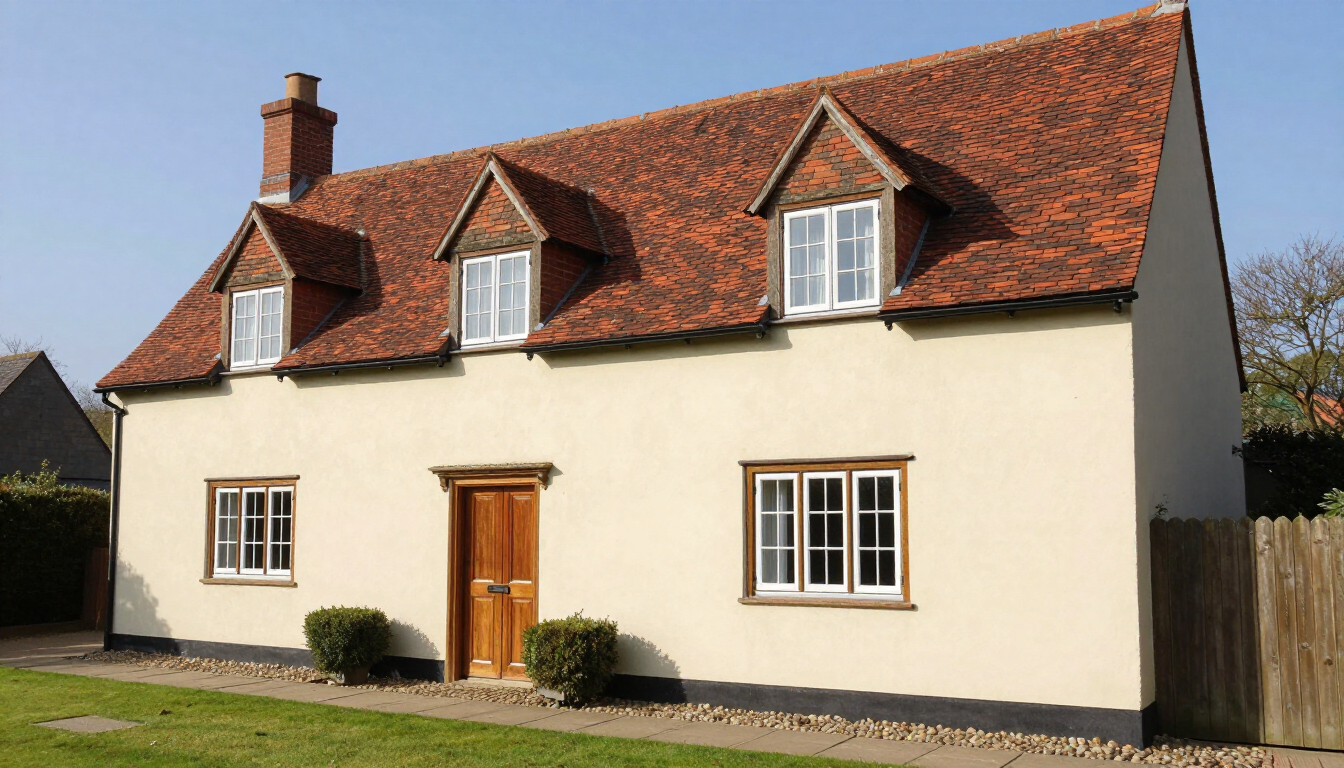
Pitched roofs, by contrast, involve a more intensive construction process. The structural framework is complex, requiring skilled carpentry and a significantly higher volume of materials such as slate or clay tiles. While the upfront cost of a new roof / re-roof with a pitch can be double or triple that of a flat alternative, many homeowners view this as a long-term investment. The value added to a property by a traditional pitched roof is often higher, and the architectural appeal can make a residential home much easier to sell in competitive markets like Winchester.
How long does a flat roof last compared to a pitched roof?
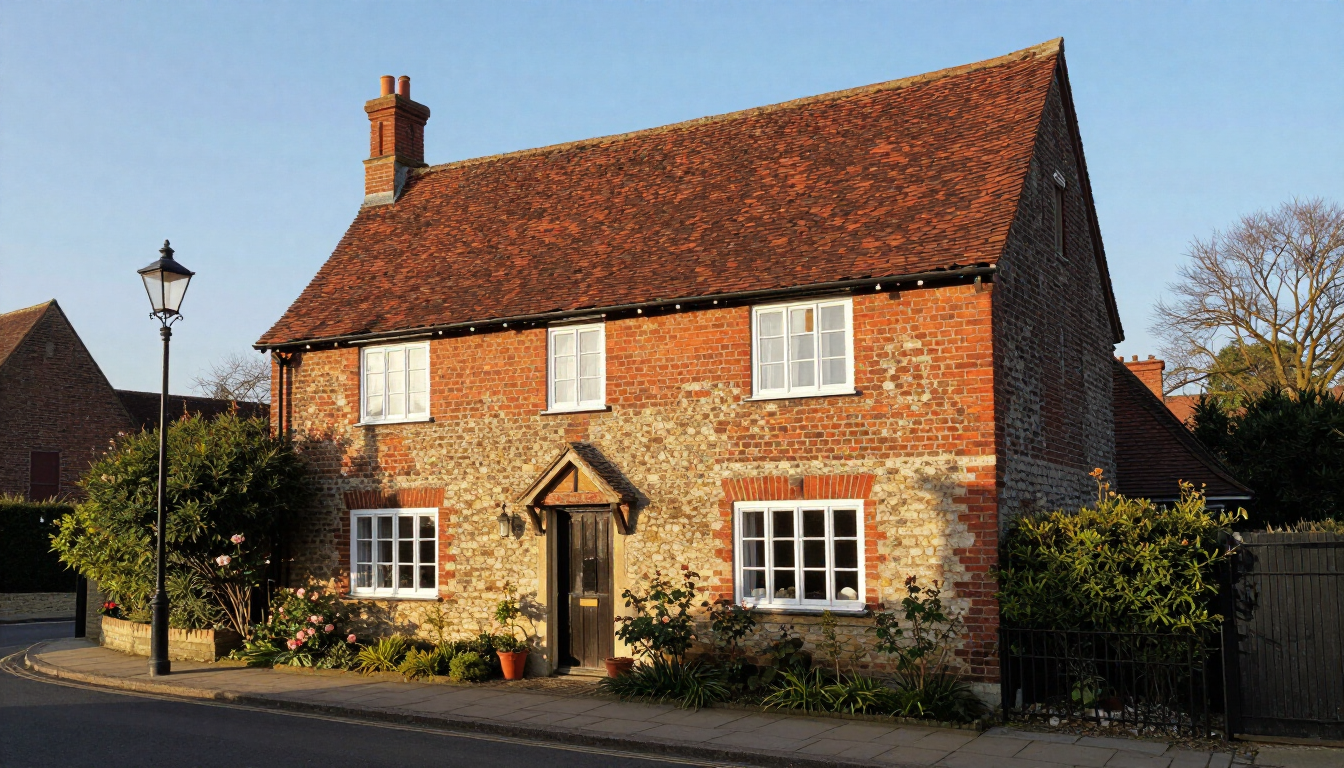
Lifespan is the area where the two systems differ most drastically. A traditional pitched roof, constructed with high-quality natural slate or clay tiles, can easily last between 60 and 100 years if maintained correctly. Even standard concrete tiles generally offer a 50-year lifespan. This longevity makes them a "once in a lifetime" purchase for most homeowners. The materials are incredibly resilient to UV degradation and the mechanical stresses of the UK's changing seasons.
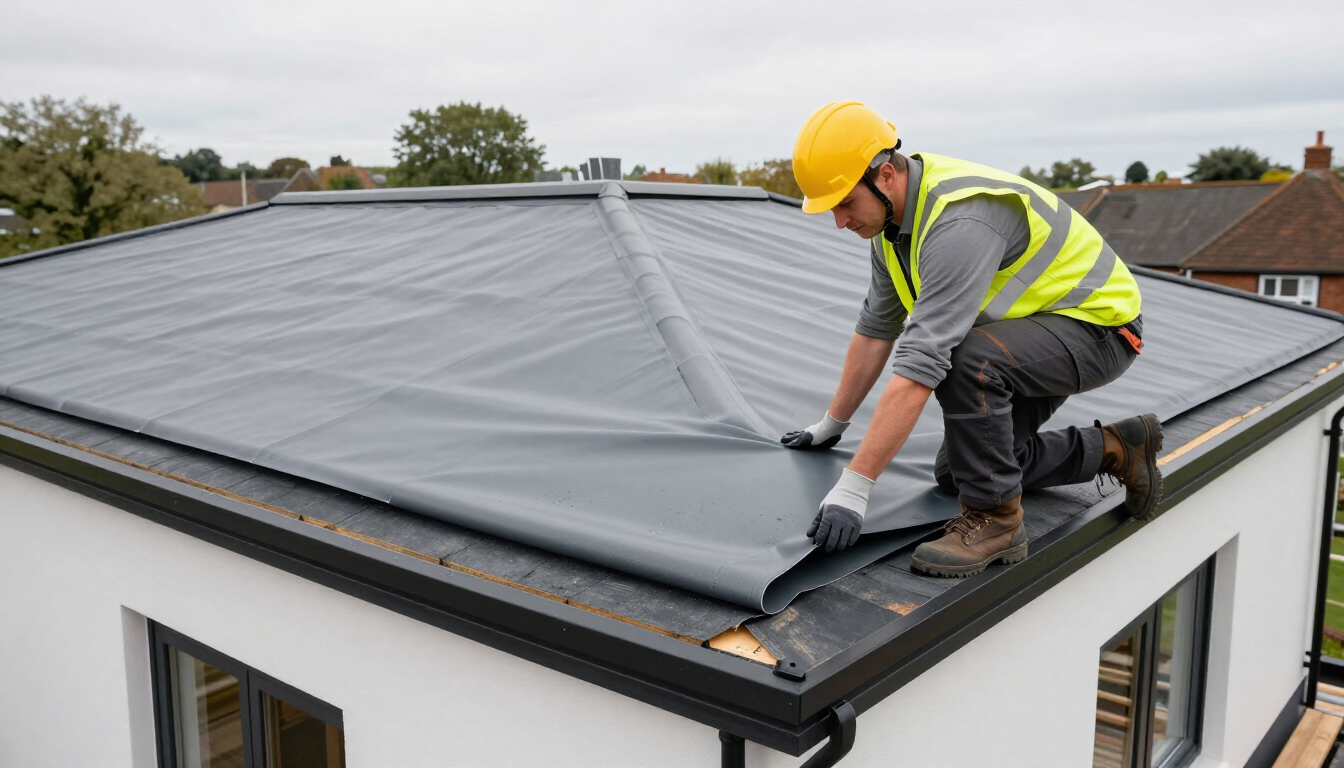
Flat roofs historically had a reputation for shorter lifespans, often failing within 10 to 15 years. However, modern technology has changed this. Systems like EPDM rubber roofs or GRP (Glass Reinforced Plastic) now offer lifespans of 25 to 35 years. While this is still shorter than a pitched roof, the gap is narrowing. For property owners, this means that while a flat roof is cheaper today, it will likely need replacement twice during the time a single pitched roof remains functional. When calculating the total cost of ownership over 50 years, a pitched roof often proves to be the more economical choice despite the higher initial price tag.
Comparing Maintenance and Durability
Maintenance requirements vary significantly between the two styles. Pitched roofs are designed to be largely self-sustaining. Their steep angle allows gravity to do most of the work, pulling water, snow, and debris down into the guttering system. While you may occasionally need a roof repair in Winchester to replace a slipped tile or clear moss, the underlying structure remains protected for decades. The height and angle can make repairs more difficult to access, often requiring scaffolding, which can increase the cost of minor maintenance tasks.
Flat roofs require more frequent monitoring. Because the "flat" surface actually has a very slight fall, any blockage in the drainage points can lead to "ponding." Standing water is the primary enemy of a flat roof; it adds weight to the structure and accelerates the degradation of the membrane. However, maintenance is physically easier because the surface is walkable and accessible without complex equipment. Regular checks of the seals and joints are essential, especially in coastal areas like Portsmouth where salt air can be more abrasive. Pople Roofing recommends an annual inspection to ensure your warranty remains valid and your property stays dry.
Is a flat roof or a pitched roof better for UK weather?
The UK weather, characterized by consistent rain and occasional heavy snow, generally favours the pitched roof design. The steep slope ensures that water is shed quickly, reducing the risk of leaks. In high-wind areas across Hampshire, a correctly installed pitched roof is also very stable, though individual tiles can be vulnerable during severe storms. The internal attic space created by a pitched roof also acts as a natural insulation buffer, helping to regulate temperatures during cold winters and hot summers.
Flat roofs can struggle with heavy rainfall if the drainage system is not perfectly designed. However, modern materials have made them much more reliable. For example, EPDM is a single-ply membrane that is completely waterproof and handles temperature fluctuations without cracking. One advantage of flat roofs in urban areas is their resistance to wind uplift; because they don't have the large surface area of a slope for the wind to catch, they can be more stable in certain gale conditions. If you are concerned about weather resistance, booking roof surveys & quotations can help determine which system is safest for your specific location.
What are the main pros and cons of each roof type?
To help you decide, we have summarized the primary advantages and disadvantages of each system based on our 50 years of experience serving the Hampshire community.
Pros of Flat Roofs:
- Significantly lower initial installation costs.
- Provides extra usable space for roof terraces or HVAC units.
- Faster installation time with minimal disruption.
- Easier access for cleaning and minor repairs.
- Modern, sleek aesthetic for contemporary architecture.
Cons of Flat Roofs:
- Shorter overall lifespan (20–30 years).
- Susceptible to water ponding if not drained correctly.
- Requires more frequent inspections.
- Higher insurance premiums in some specific cases.
- Lower insulation efficiency without specialist materials.
Pros of Pitched Roofs:
- Exceptional lifespan, often exceeding 50–100 years.
- Superior drainage and weather resistance.
- Provides additional attic storage or living space.
- Increases the market value of residential properties.
- Lower long-term maintenance costs.
Cons of Pitched Roofs:
- Higher upfront cost for labour and materials.
- More complex and time-consuming installation.
- Higher weight requires a stronger foundation.
- Difficult and expensive to access for repairs.
- Not suitable for properties with height restrictions.
Suitability for Residential and Commercial Properties
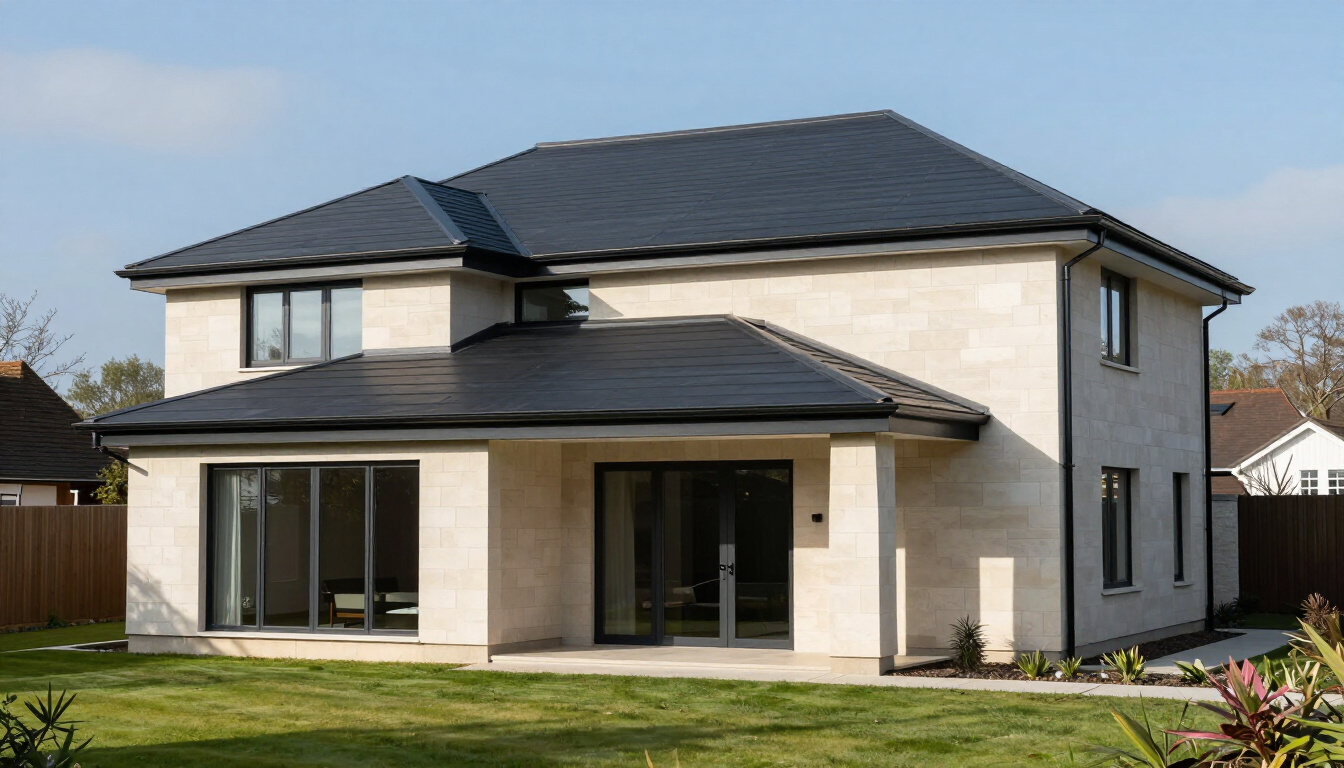
The choice often depends on the type of property. For residential homes, pitched roofs remain the standard for the main structure. They provide the classic "home" silhouette and offer the potential for loft conversions, which can significantly increase a property's value. However, for extensions, garages, and porches, flat roofs are often the preferred choice because they don't block the views from first-floor windows and are much easier to integrate into existing structures. Many modern homes in Southampton now utilize a combination of both styles to balance aesthetics and budget.
Commercial properties in Hampshire, such as warehouses or office blocks, almost exclusively use flat or low-pitch roofing systems. This is due to the vast surface area covered; a pitched roof on a large warehouse would be prohibitively expensive and create an enormous amount of wasted internal volume. Flat roofs allow for the easy installation of solar panels and industrial air conditioning units. For landlords managing commercial portfolios, the ease of access for maintenance on a flat roof is a major operational benefit.
Planning Permission and Building Regulations in Hampshire
Before deciding, you must consider local planning constraints. In historic areas like central Winchester, planning departments often mandate pitched roofs with specific materials (like handmade clay tiles) to preserve the heritage look of the street. Conversely, for a modern extension in a newer development in Eastleigh, a flat roof may be more easily approved, especially if there are height restrictions that prevent a tall pitched structure from overshadowing a neighbour’s garden.
Building regulations in the UK also specify strict insulation standards (thermal U-values) for both types. A flat roof usually requires "warm roof" construction, where insulation is placed on top of the deck to prevent condensation. Pitched roofs typically use "cold roof" insulation between the rafters. At Pople Roofing, we handle the technical details to ensure your project complies with all local Hampshire building codes, whether you need a roof repair in Southampton or a full replacement in Portsmouth.
Why choose Pople Roofing for your installation?
With over three generations of experience, Pople Roofing Specialists have mastered the art of both flat and pitched roof installations. Established in 1970, we are a family-run business that understands the specific challenges of the Hampshire climate. Whether you are a homeowner needing a traditional slate roof or a landlord requiring a durable EPDM system for a rental property, we offer expert guidance tailored to your needs.
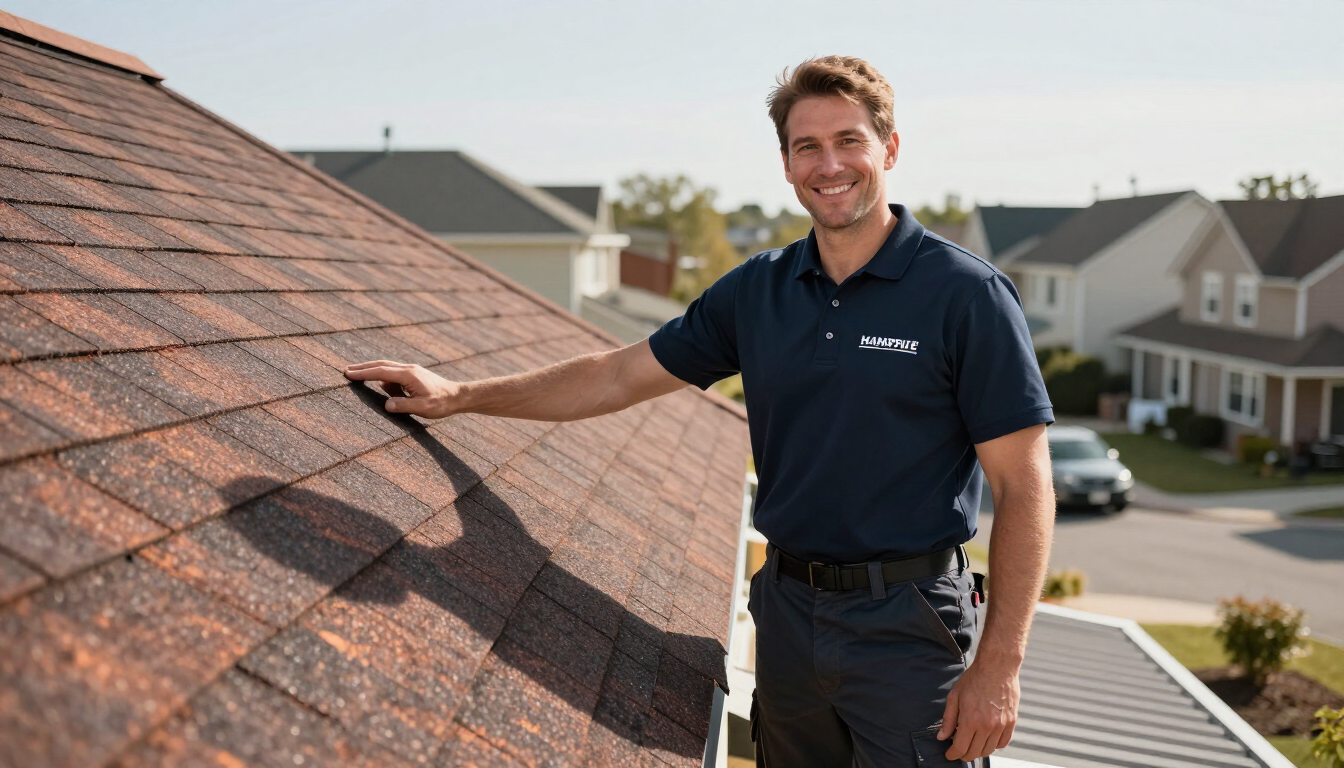
We provide same-day quotations and a 10-year warranty on all works, giving you total peace of mind. As members of the NFRC, Checkatrade, and Trust Mark, our reputation for quality is backed by the industry's leading bodies. From roof repair in Portsmouth to complex new builds across the county, our fully trained and insured team is ready to help you make the right choice for your property.
Final Summary: Which Should You Choose?
Deciding between a flat roof and a pitched roof involves balancing immediate costs against long-term durability. If you are working with a tight budget or building a modern extension, a flat roof is a versatile and affordable solution. If you are looking for a permanent, high-value roofing system for a family home, the pitched roof remains the gold standard for UK properties. To summarize the key takeaways:
- Budget: Choose flat for lower upfront costs; choose pitched for better long-term ROI.
- Maintenance: Flat roofs need more checks; pitched roofs are largely "set and forget."
- Lifespan: Expect 25+ years for modern flat roofs and 50+ years for pitched tiles.
- Planning: Check local Winchester or Portsmouth regulations regarding height and style.
- Usage: Flat roofs offer terrace potential; pitched roofs offer attic storage.
For a professional assessment of your property, contact us today or book a consultation via our Contact page. We serve all areas including Southampton, Winchester, Portsmouth, and Eastleigh.
"Whether it’s a small repair or a major roofing project, our goal is to empower our customers with the information they need to make the best decisions for their homes."
Lewis Pople
Roofing specialist at Pople Roofing LTD
Our blog posts are crafted with care by experienced professionals who have worked in the roofing industry for years. We focus on providing real-world solutions and advice that you can trust. Whether you're looking to handle small maintenance tasks on your own or need help determining when it’s time to call a professional, our articles are designed to empower you with the knowledge you need. We know how frustrating roofing problems can be, which is why we aim to make each post easy to follow and filled with actionable tips.
Beyond troubleshooting and repairs, our blog is also a great resource for those interested in improving their homes with modern roofing solutions. We regularly feature insights into the latest trends and innovations in roofing.